Complete Aluminum Scrap Handbook: A Comprehensive Guide to Grades, Valuation & Recycling
1. What Is Aluminum Scrap?
Aluminum scrap includes end-of-life or manufacturing offcuts of aluminum metal that can be re-melted and refined. Recycling aluminum uses up to 95% less energy than primary production, and saves around 3.5 t CO₂-e per tonne recovered. It’s vital to circular economies in automotive, construction, packaging, and electronics.2. Origins & Common Sources
- UBC (Beverage Cans): Rinsed, lightly crushed cans baled for high-purity feed.
- Sheet & Plate: Roofing panels, window frames, cookware, signage.
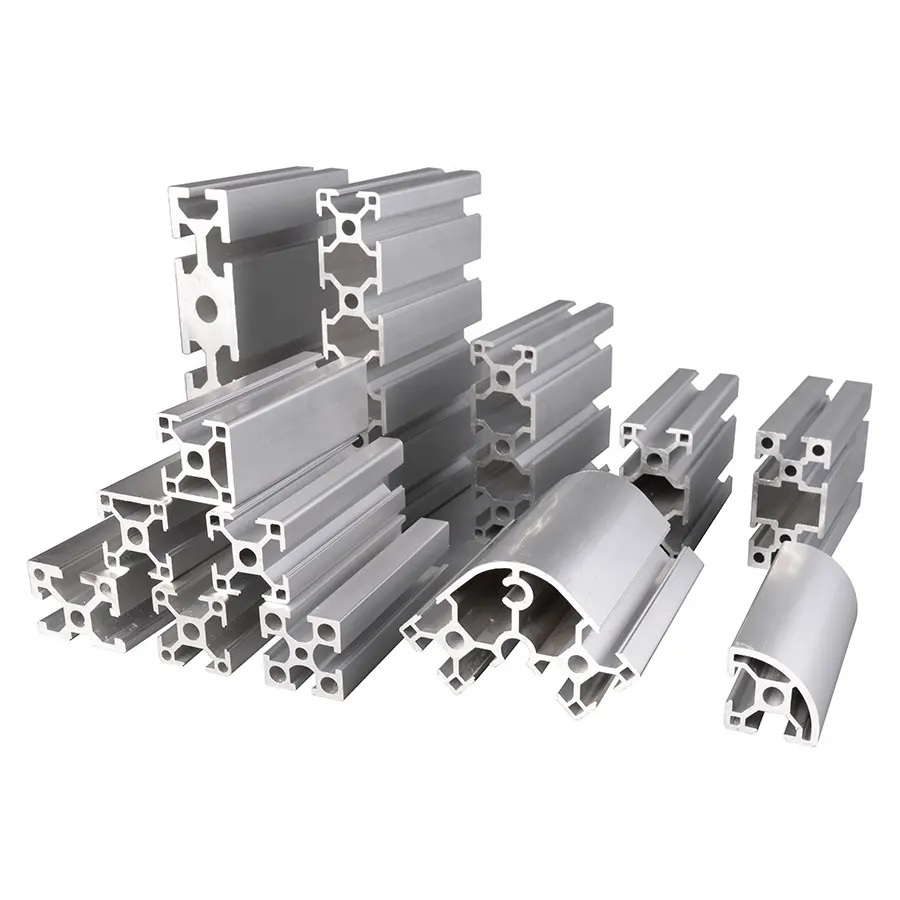
- Extrusions: Window/door profiles, heat sinks, architectural sections.
- Cast Alloy Scrap: Engine blocks, transmission housings, dross.
- Dirty Aluminum: Plastics, rubber, steel attachments requiring pre-cleaning.
- Foil & Trays: Kitchen foil, disposable trays, packaging laminates.
- Wire & Cable: Power/marine cable, electrical harnesses.
- Radiators & Heat Exchangers: HVAC coils, auto radiators.
- Mixed Alloy: Unsorted off-cuts needing lab grading.
3. Global Scrap Aluminum Market & Top Importers
| Country | 2024 Imports (million kg) | Key Grades |
|---|---|---|
| China | 4 000 000 | UBC, Extrusions, Sheet, Cast |
| India | 1 000 000 | UBC, Sheet, Cast, Extrusions |
| USA | 900 000 | UBC, Sheet, Radiators |
| UAE | 700 000 | UBC, Sheet, Mixed Alloy |
| Turkey | 600 000 | Extrusions, Sheet, Radiators |
| Germany | 500 000 | Sheet, Radiators, Cast |
4. Classifications & Grades
| Grade Name | Description | Purity (%) | Importer Label |
|---|---|---|---|
| UBC (Used Beverage Cans) | Clean, rinsed, lightly crushed cans | >= 99.5 | UBC |
| Sheet & Plate | Clean sheet/plate with minimal coatings | >= 98.0 | Sheet Scrap |
| Extrusion Clean | Profiles stripped of coatings, slight oxidation | >= 97.0 | Extrusion Scrap |
| Cast Alloy Scrap | Engine blocks, housings, dross (alloyed) | 85–95 | Cast Scrap |
| Dirty Aluminum | Visible plastic, rubber, steel attachments | 60–80 (metal) | Dirty Scrap |
| Foil & Trays | Food foil, trays, thin lamination | >= 95 (metal) | Foil Scrap |
| Radiators & Heat Exchangers | Finned coils, cast tanks (mixed alloy) | 60–85 | Radiator Scrap |
| Wire & Cable | Bare or jacketed conductor | 90–98 | Cable Scrap |
| Mixed Alloy | Unsorted off-cuts requiring lab analysis | Variable | Mixed Alloy Scrap |
5. Valuation & Pricing (KWD/kg)
Prices quoted in Kuwaiti Dinars per kilogram. As of mid-2025, benchmark UBC averages 0.75 KWD/kg. Typical discounts vs. UBC:- Extrusion Clean: 0.68–0.71 KWD/kg (90–95%)
- Sheet & Plate: 0.60–0.68 KWD/kg (80–90%)
- Cast Alloy: 0.56–0.68 KWD/kg (75–90%)
- Foil & Trays: 0.50–0.65 KWD/kg (65–85%)
- Dirty Aluminum: 0.35–0.49 KWD/kg (45–65%)
Always confirm real-time quotes—premiums vary by region, season, and freight.
6. Calculations & Formulas
Use these to quantify mass, volume, purity, and value.| Calculation | Formula | Units |
|---|---|---|
| Mass from Volume | m = V × ρ |
m [kg], V [m³], ρ = 2 700 kg/m³ |
| Volume from Mass | V = m / ρ |
V [m³], m [kg] |
| Pure Aluminum Mass | mₐₗ = m × (P/100) |
mₐₗ [kg] |
| Scrap Value | Value = m × Price_UBC × DF |
KWD |
| Weight % Aluminum | %w = (mₐₗ / m) × 100 |
% |
| Volume % Aluminum | %v = (Vₐₗ / V) × 100 |
% |
7. Handling, Storage & Quality Control
- Segregate by grade, alloy, and contamination.
- Remove plastics, adhesives, oils to maximize purity.
- Store in dry, ventilated warehouses to prevent corrosion.
- Maintain chain-of-custody logs for traceability.
- Keep humidity below 60% to avoid oxidation spots.
8. Expanded Visual Identification Guide
| Type | Appearance | Key Cues | Grade |
|---|---|---|---|
| UBC | Lightly crushed, silvery cans | No paint/labels, uniform crush | UBC |
| Sheet & Plate | Flat, smooth sheets | Minimal coatings, slight patina | Sheet Scrap |
| Extrusion Clean | Long profiles, metallic sheen | No anodizing, sharp edges | Extrusion Scrap |
| Cast Alloy Scrap | Irregular chunks, grey cast | Porous texture, sandblasted look | Cast Scrap |
| Dirty Aluminum | Attachments of rubber/plastic | Visible non-aluminum parts | Dirty Scrap |
| Foil & Trays | Thin, crinkled sheets | Very light, laminated | Foil Scrap |
| Radiators | Finned coils, cast ends | Honeycomb fins, solder residues | Radiator Scrap |
| Wire & Cable | Solid or jacketed conductor | Stranded core, insulation colors | Cable Scrap |
| Mixed Alloy | Varied shapes/colors | Requires lab analysis | Mixed Alloy Scrap |
Use magnets and spark tests to remove ferrous and cast-iron contaminants before baling.
9. Technical & Chemical Specifications
| Series | Al % | Alloying Elements | Tensile (MPa) | Hardness (HB) |
|---|---|---|---|---|
| 1xxx Series | >= 99.0 | Fe, Si (traces) | 100–130 | 20–30 |
| 3xxx Series | 97–99 | Mn | 130–160 | 30–40 |
| 5xxx Series | 95–98 | Mg | 200–250 | 45–60 |
| 6xxx Series | 90–95 | Mg + Si | 180–230 | 40–55 |
| 7xxx Series | 85–90 | Zn ± Mg | 300–550 | 80–140 |
10. Sampling & Laboratory Testing
10.1 Field Sampling Protocol
- Divide bulk load into equal segments.
- Grab samples from top, middle, bottom of each segment.
- Combine, homogenize, and label representative sample.
10.2 Quick Field Tests
- Magnet Test: Aluminum is non-magnetic; steel is.
- Spark Test: Aluminum yields no spark; steel emits bright yellow sparks.
- Conductivity Meter: Differentiates wrought vs. cast alloys.
10.3 Laboratory Methods
- XRF (X-Ray Fluorescence)
- OES (Optical Emission Spectroscopy)
- ICP-OES (Inductively Coupled Plasma)
- Wet Chemistry (AAS, titration)
11. Recycling & Refining Processes
11.1 Smelting (Pyrometallurgy)
- Charge segregated scrap into reverberatory or rotary furnaces.
- Add fluxes (chloride, fluoride) to bind oxides and dross.
- Tap molten aluminum; cast into ingots or billets.
11.2 Hydrometallurgy
- Leach scrap in acids (e.g., sulfuric).
- Extract via solvent extraction; electrowinning to high-purity cathodes.
- Energy consumption: ~800–1 000 kWh/tonne vs. ~2 000 kWh (smelting).
12. Environmental & Regulatory Compliance
- Basel Convention on transboundary waste.
- EU WEEE & ELV directives for electronics and vehicles.
- India E-Waste Rules & BIS certification.
- China’s Green Fence scrap import policy.
- Local emissions and wastewater standards for furnaces.
13. Safety, Health & Handling
- PPE: Cut-resistant gloves, eye protection, respirators.
- Dust & fume extraction at grinding and melting areas.
- Fire safety: segregate fine dust from ignition sources.
- Secure stacking: limit bale height, use strapping.
14. Machinery & Equipment Overview
- Wire strippers & granulators: 200–500 kg/h capacity.
- Eddy current separators for non-ferrous sorting.
- Shears & balers (500–1 200 kg bales), shredders (1–5 t/h).
- Rotary and induction melting furnaces.
- Portable XRF analyzers for on-site alloy identification.
15. Logistics & Supply Chain Management
- 20′ (18–22 t) & 40′ (25–27 t) container loading diagrams.
- Palletization & strapping to prevent shifting.
- Documentation: Bill of Lading, Commercial Invoice, Packing List, MTR.
- Incoterms: FOB, CIF, DDP – allocate costs & risks.
16. Pricing History & Market Analysis
| Year | UBC Avg (KWD/kg) | Key Drivers |
|---|---|---|
| 2020 | 0.55 | COVID-19 shutdowns, logistics delays |
| 2021 | 0.72 | Demand rebound, stimulus measures |
| 2022 | 0.78 | Energy cost spikes, supply constraints |
| 2023 | 0.74 | Oversupply, slower industrial growth |
| 2024 | 0.76 | EV recycling ramp-up, construction uptick |
| 2025 | 0.75 | Market equilibrium, new smelter capacity |
17. Buyer & Seller Directory
- Global Offtakers: Novelis, Hydro, Alcoa, Constellium.
- Middle East: EMAL Metals, Gulf Aluminum Trading.
- India: Hindalco, National Aluminium Co. (NALCO).
- China: China Hongqiao, Huludao Aluminium.
- Europe: Norsk Hydro, Constellium Europe.
- USA: Schnitzer Steel, Sims Metal Management.
Verify ISO 9001, RMI/IRMA membership, and financial health.
18. Digital Transformation & Traceability
- IoT-enabled scales for real-time weight & purity logging.
- ERP integration for batch tracking and automated invoicing.
- AI vision sorting with > 98% accuracy on alloy separation.
- Mobile apps for QR scanning of bales and instant grade ID.
19. Blockchain & Scrap Provenance
- Tokenized bale IDs with timestamped quality reports.
- Smart contracts releasing payment on documented delivery.
- Interoperability with customs and environmental regulators.
20. Carbon Footprint & Sustainability Credits
- Recycling saves ~3.5 t CO₂-e per tonne vs. primary production.
- Water savings: ~1 500 m³/t recycled vs. 2 000 m³/t virgin.
- Generate carbon credits under voluntary schemes.
- ESG reporting templates aligned with GRI and SASB.
21. Risk Management & Insurance
- Hedge via LME aluminum futures/options (USD→KWD conversion).
- Marine cargo insurance: all-risk, war, general average cover.
- Political risk insurance for emerging-market exports.
- Quality assurance bonds with escrow arrangements.
22. Industry Associations & Standards
- RMI / IRMA: Responsible Minerals Initiative.
- BIS (India): Scrap import standards.
- ISO 9001: Quality management.
- ISO 14001: Environmental management.
- ISRI: Institute of Scrap Recycling Industries guidelines.
23. Pricing Mechanisms & Hedging
- Spot vs. forward contracts linked to LME aluminum prices.
- Local premiums: transport, processing, seasonal demand.
- OTC swaps and options for price risk management.
- Clearing via registered exchanges or bilateral agreements.
24. Market Forecast & Intelligence
Analysts project 4–6% annual growth in scrap aluminum demand through 2030, driven by electrification, EV battery recycling, renewable energy infrastructure, and circular procurement mandates.25. Future Outlook & Innovations
- Cryogenic fracturing for composite cable separation.
- Bio-leaching microbes for low-grade alloy recovery.
- Nanofiltration membranes in hydrometallurgy.
- Digital twins for yard optimization and predictive maintenance.
26. Glossary, Acronyms & FAQ
Glossary
- UBC
- Used Beverage Cans
- DF
- Discount Factor
- LME
- London Metal Exchange
- MTR
- Material Test Report
- PPE
- Personal Protective Equipment
- QC
- Quality Control
- ESG
- Environmental, Social & Governance
FAQs
- Q: Can coated extrusions fetch UBC rates?
- A: No—coatings downgrade to Extrusion or Sheet grades; strip to upgrade purity.
- Q: How to convert LME USD quotes to KWD?
- A: Multiply USD/kg by current USD→KWD FX rate (e.g., 0.306 KWD/USD).
- Q: Which contaminant is most damaging?
- A: Ferrous filings and heavy oil residues—each drastically cuts grade and price.